
Fleet Management & IoT
-

NMEA 2000 and Bridge Network Integration: Getting Comms, AIS and Sensors on One Backbone
NMEA 2000 backbone design for Singapore vessels: terminators, drop limits, LEN budgets, gateways to AIS and…
-
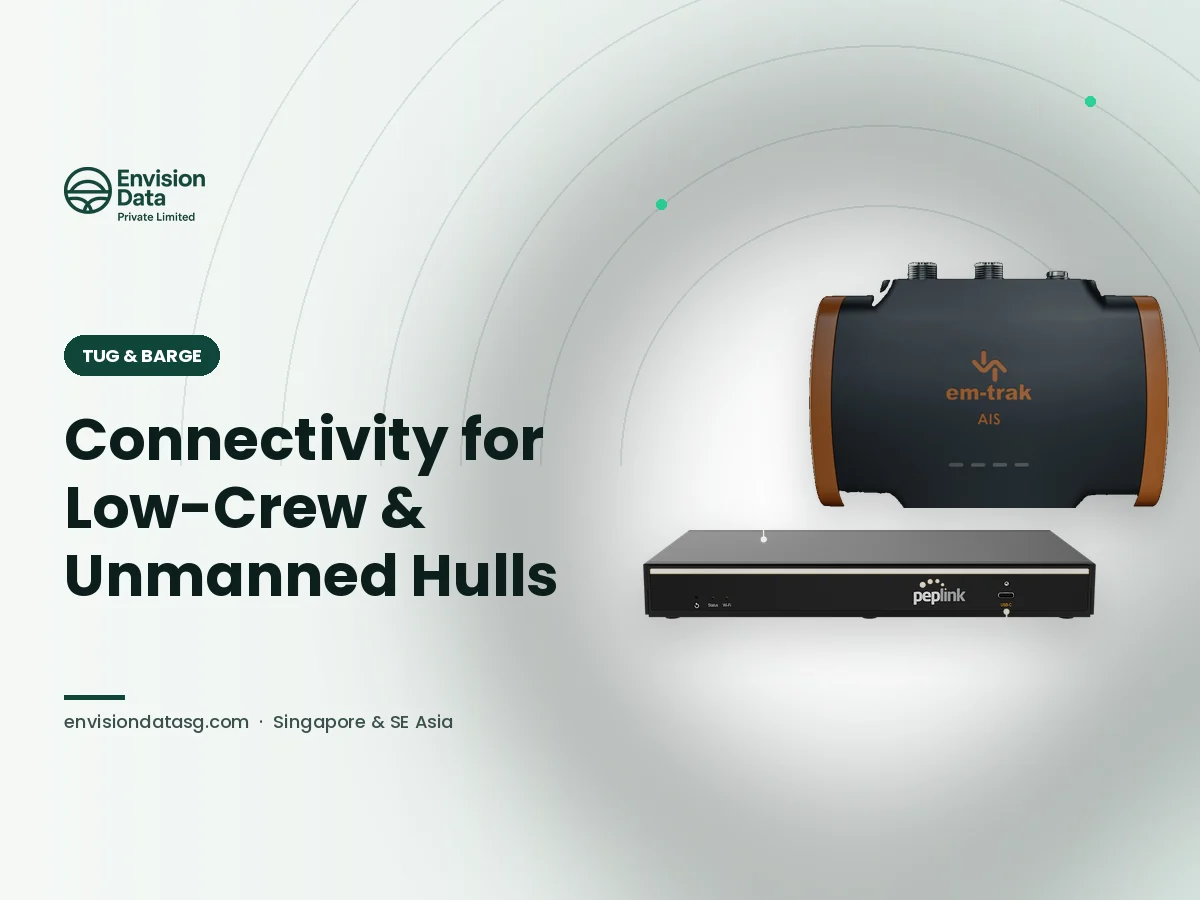
Tug and Barge Connectivity in Singapore and SE Asia: What to Fit on Low-Crew and Unmanned Hulls
Tug and barge connectivity in Singapore and SE Asia: what to fit on the tug, what…
-

Refurbished vs New Maritime Comms Hardware: When Used Iridium, VSAT and Peplink Kit Is Worth It
Honest guide to used and refurbished maritime comms: where second-hand Iridium, VSAT and Peplink kit pays…
-

How Much Data Does a Vessel Actually Use? GB Benchmarks for SE Asia Fleets in 2026
Indicative GB benchmarks for SE Asia fleets in 2026: per-activity data tables, vessel-type profiles, and how…
-

Fleet Comms Budget Planning — How Much Should You Spend Per Vessel in 2026?
Every Singapore ship management CFO asks the same question at annual budget time: what is a…
-

Maritime Cybersecurity — Protecting Your Vessel Network from Ship-to-Shore Threats
Since IMO 2021 (MSC.428(98)) came into force, every SOLAS-compliant vessel must include cyber risk management in…
-
EEXI and CII Reporting for Singapore-Flagged Vessels — What Comms Setup You Need
Since 2023 the IMO’s EEXI (Energy Efficiency Existing Ship Index) and CII (Carbon Intensity Indicator) framework…
-
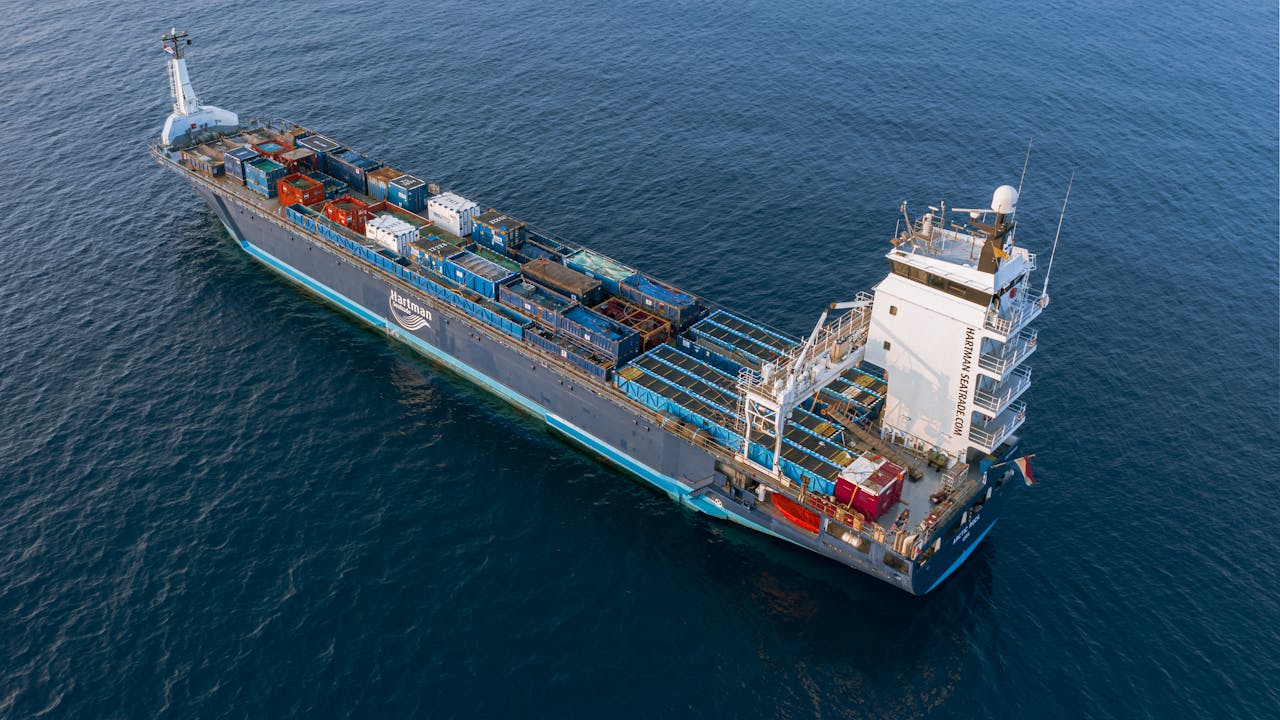
Bunker Fraud Detection with Maritime IoT — How to Build the Audit Trail
Bunker fraud costs the maritime industry an estimated USD 5–8 billion per year. On a Singapore…
-
Maritime IoT Fuel Monitoring ROI for Singapore OSV Fleets
Fuel is the single biggest operating cost for a Singapore OSV fleet — typically 40-55% of…
-
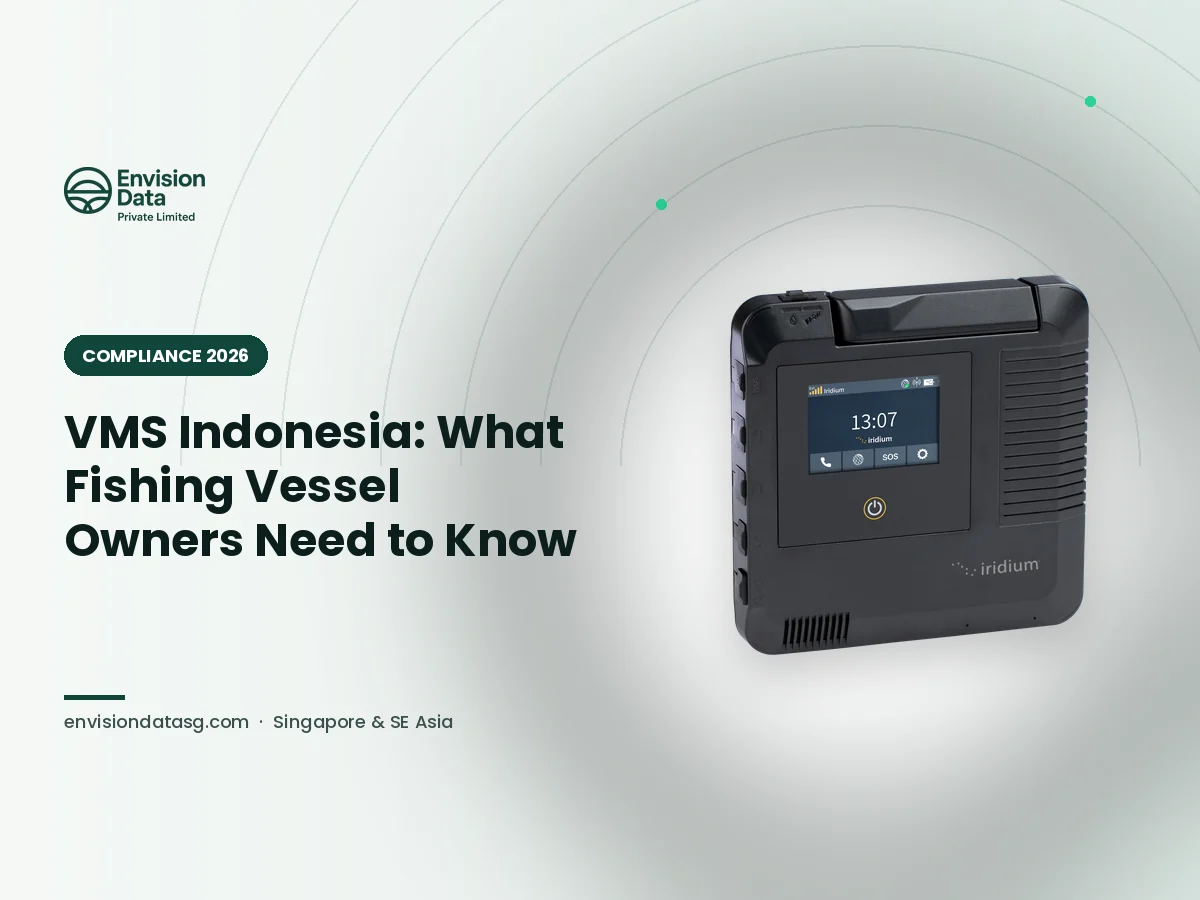
VMS Indonesia: What Fishing Vessel Owners Need to Know in 2026
A plain-English guide to Indonesia’s Vessel Monitoring System (VMS) requirements under KKP — who must fit,…